Key Takeaways:
- Most BCBS plans typically help cover outpatient addiction treatment, including partial hospitalization (PHP), intensive outpatient (IOP), and standard outpatient care.
- What you’ll pay depends on your deductible, copays, coinsurance, and whether the center is in-network or out-of-network.
- Outpatient care can work well if you need to keep working or living at home, with flexible schedules that fit around your life.
- The safest next step is to verify your specific benefits with Royal Life Detox in Prescott, Arizona, so you get real answers instead of guesses.
Understanding Your Outpatient Coverage Can Help You Plan With Confidence
Question:
Does Blue Cross Blue Shield cover drug and alcohol rehab in Prescott, AZ?
Answer:
You don’t have to put your whole life on hold to get help for drug or alcohol use. Outpatient treatment lets many people heal while still working and living at home, and most Blue Cross Blue Shield plans typically help cover it. Coverage often includes partial hospitalization (PHP), intensive outpatient (IOP), and standard outpatient care, usually when treatment is medically necessary. What you’ll actually pay depends on your deductible, copays, coinsurance, and whether the center is in-network or out-of-network. Because outpatient care is generally less intensive than inpatient, it often costs less out of pocket, especially once you meet your deductible. Still, every plan is different, so the only reliable way to know your real costs is to check your benefits. The kindest, simplest next step is to verify your coverage with Royal Life Detox in Prescott, Arizona, where a caring team can replace worry with clear, personalized answers.
You want to get help for drug or alcohol use, but you also have a life to keep running. A job. A family. A home you’d rather not leave. The good news is that you may not have to put everything on hold to heal. Outpatient treatment lets many people get real, structured care while still living at home and meeting daily responsibilities.
If you carry Blue Cross Blue Shield, you likely have a strong tool to help pay for that care. This guide walks you through how BCBS outpatient rehab works, what most plans typically cover, what you might pay, and how to find out your real costs. We’ll keep it plain and honest, because you deserve clear answers when you’re already carrying a lot.
Here are the quick takeaways:
- Most BCBS plans typically help cover outpatient treatment, including IOP and PHP.
- Your costs depend on your plan’s deductible, copays, coinsurance, and network status.
- The only reliable way to know your real costs is to verify your specific benefits.
- Royal Life Detox in Prescott, Arizona offers a full continuum of care and free, no-pressure benefit checks.
Quick answer: bcbs outpatient rehab
Here’s the short version. Most BCBS plans typically help pay for outpatient addiction treatment, because substance use care is considered an essential health benefit under federal law. That means if you’re searching among rehab centers that accept BCBS, you likely have real options for outpatient care.
“Outpatient” isn’t just one thing. It usually covers three levels:
- Partial hospitalization program (PHP): The most structured outpatient option. You attend treatment for several hours a day, most days of the week, but you go home at night.
- Intensive outpatient program (IOP): Fewer hours per week than PHP. A strong fit when you’re easing back into work, school, or family routines.
- Standard outpatient: The lightest level. Weekly therapy and check-ins that help you stay steady over time.
Exactly what your plan covers, and what you’ll pay, depends on your specific policy. So while the answer is usually “yes, this is covered,” the details are personal to you. Verifying your benefits is the only way to know for sure.
What’s typically covered (and what isn’t)
So, does BCBS cover outpatient rehab? In most cases, yes, at least to some degree. Coverage usually applies when treatment is considered medically necessary, meaning a clinical team confirms you need this level of care.
Here’s what most BCBS plans typically help cover:
- Medically supervised detox. When your body adjusts to stopping drugs or alcohol, withdrawal symptoms can range from uncomfortable to dangerous. Many people search for detox centers that accept BCBS first, because detox is often the safe starting point.
- PHP and IOP. These structured outpatient programs include group therapy, individual counseling, and relapse prevention.
- Standard outpatient and aftercare. Ongoing therapy that keeps you connected and supported over the long term.
- Medication-assisted treatment (MAT). When clinically appropriate, certain medications used to manage cravings or withdrawal may be covered.
- Co-occurring mental health care. Many plans support treatment for conditions like anxiety or depression alongside substance use care.
What might not be fully covered? A few things to keep in mind:
- Care deemed not medically necessary. If a plan decides a level of care isn’t needed yet, it may not approve it.
- Certain amenities or extras. Some comfort-focused services may not be part of your medical benefit.
- Out-of-network gaps. Care outside your plan’s network can cost more, though not always as much as people fear.
We never want to guarantee what your plan will or won’t pay, because every policy is different. The clearest path is always to check your specific benefits.
Costs, deductibles, and out-of-pocket basics
Let’s talk honestly about money, since that worry holds so many people back. Understanding your outpatient rehab cost with BCBS comes down to a few familiar terms.
- Deductible. The amount you pay before your plan starts sharing costs. Deductibles vary widely, often from a few hundred to several thousand dollars a year.
- Copay. A flat fee you might pay per session or visit, sometimes in the range of $20 to $75, depending on your plan.
- Coinsurance. A percentage of the cost you share after meeting your deductible, often somewhere between 10% and 40%.
- Out-of-pocket maximum. The most you’ll pay in a plan year. Once you hit it, your plan typically covers 100% of approved costs.
Because outpatient care is generally less intensive than inpatient treatment, it often costs less out of pocket. Many people find that once they meet their deductible, their share for IOP or PHP becomes much more manageable. Still, these are ranges and examples, not promises. Your real numbers depend on your plan.
If you’d like a broader look at how this works, this overview of whether insurance covers detox in Arizona explains the basics in plain language.
Reader checkpoint: If cost is your biggest worry, don’t guess. A free benefits check can replace fear with real numbers, often in just a few minutes.
Reach Out for Help With Addiction and Co-Occurring Mental Health Disorders
Are you struggling with substance abuse and mental illness?
Royal Life Detox is here to help you recover. Because We Care.
Step-by-step: how the process works
Reaching out can feel like the hardest part. The truth is, once you make that first call, a caring team takes much of the weight off your shoulders. Here’s what the process typically looks like at Royal Life Detox.
Step 1: A confidential conversation. When you call or submit the secure form, an admissions specialist listens to your situation. No judgment, no pressure. You can ask anything.
Step 2: A free benefits check. The team verifies your Blue Cross Blue Shield coverage and explains what your plan typically covers and what you can expect to pay. You won’t be left guessing about surprise bills.
Step 3: A clinical assessment. A team reviews your history and needs to recommend the right starting level of care. For some people, that’s medically supervised detox. For others, it’s stepping straight into PHP or IOP.
Step 4: Building your plan. Outpatient schedules are designed to fit around real life. PHP usually runs several hours a day, several days a week. IOP often involves a few sessions per week, frequently with evening options so you can keep working.
Step 5: Treatment and adjustment. As you progress, your care can shift. If you need more support, you can step up. As you grow stronger, you can step down to lighter outpatient care. You can explore the full range of Arizona rehab programs to see how each stage connects.
This is one reason a full continuum matters. At Royal Life Detox in Prescott, Arizona, you can begin with detox and move into higher or lower levels of treatment based on clinical need, all without switching facilities.
In-network vs. out-of-network considerations
Network status plays a big role in your costs, so it’s worth understanding.
- In-network means a center has an agreement with your BCBS plan. This usually leads to lower out-of-pocket costs and simpler billing.
- Out-of-network means there’s no direct agreement. Your share may be higher, but here’s the part people often miss: out-of-network care can sometimes cost less than you expect, especially when a center works directly with your insurer to maximize your benefits.
A few questions worth asking any center:
- Are you in-network with my specific BCBS plan?
- If you’re out-of-network, what would my estimated costs look like?
- Will you handle the insurance paperwork for me?
If you’re weighing your options carefully, this guide on how to choose the right BCBS rehab center can help you compare with confidence. A quality Arizona rehab center will answer these questions clearly and guestly.
Common objections and concerns addressed
It’s natural to have doubts. Here are a few common ones, answered honestly.
“I can’t take time off work.” That’s exactly why outpatient exists. IOP and standard outpatient are built around your schedule, often with evening sessions. Many people search for “BCBS detox near me” hoping to find care that fits their life, and outpatient often does.
“Is outpatient even strong enough to help?” For the right person, yes. Outpatient treatment includes real clinical therapy, relapse prevention, and support for co-occurring conditions. The key is matching the level of care to your needs, which is what the clinical assessment is for.
“What if I need detox first?” That’s common, and it’s okay. Medically supervised detox keeps you safe during withdrawal. From there, you can move into outpatient care as you stabilize.
“What about my privacy?” Your confidentiality is protected throughout the process, from your very first call onward.
“What if my drug use feels too serious for outpatient?” A good team will tell you honestly. If you need more support to start, they’ll guide you there. You can learn more about how drug addiction is treated across different levels of care.
How to verify your exact benefits
You’ve heard us say it a few times, and for good reason: verifying your benefits is the single most useful step you can take. It turns worry into clear answers.
Here’s how to do it:
- Let Royal Life Detox check for you. Submit your information through the secure insurance verification form, and the admissions team will contact your insurer and explain exactly what your plan covers for outpatient care.
- Call the number on your insurance card. You can also ask BCBS member services about your outpatient and BCBS IOP coverage directly.
- Ask specific questions. Find out your deductible, copay, coinsurance, out-of-network options, and whether prior authorization is needed.
For a deeper look at how coverage works across all levels of care, see the full guide to rehab and detox centers that accept Blue Cross Blue Shield. And if you want to picture where care begins, you can learn about the Arizona detox facility in Prescott.
Next step
You’ve already done something brave by reading this far and considering treatment that fits your life. Outpatient care can be a real, effective path forward, one that lets you keep working, stay close to family, and still get the support you need.
The right care for addiction rehab in Arizona may be closer and more affordable than you think. Instead of guessing about coverage or costs, take a few minutes to find out for sure.
See if outpatient is right for you. Verify your BCBS outpatient benefits with Royal Life Detox by calling the compassionate, 24/7 admissions team or completing the secure verification form. There’s no pressure, no judgment, and no surprise bills, just clear answers and caring support.
Recovery is possible, and you don’t have to figure it out alone.
Frequently asked questions
Bcbs outpatient rehab — what’s the short answer?
Most BCBS plans typically help cover outpatient addiction treatment, including PHP, IOP, and standard outpatient care, because it’s considered an essential health benefit. Coverage usually applies when treatment is medically necessary. Your exact benefits and costs depend on your specific plan, so it’s always best to verify before you commit.
How does this affect what I’ll pay with Blue Cross Blue Shield?
Your costs depend on your deductible, copay, coinsurance, and whether the center is in-network or out-of-network. Because outpatient care is generally less intensive than inpatient treatment, it often costs less out of pocket, especially once you meet your deductible. We can’t promise exact dollar amounts, but a free benefits check can give you real, personalized numbers.
How do I verify my specific BCBS plan’s benefits?
The fastest way is to let Royal Life Detox check for you. Submit your details through the secure insurance verification form, and the admissions team will contact your insurer and explain exactly what your plan covers. You can also call the member services number on the back of your insurance card to ask about your outpatient benefits directly.
REFERENCES:
Blue Cross Blue Shield of Arizona. https://www.azblue.com/
Treatment Types for Mental Health, Drugs and Alcohol. SAMHSA. (2023a, April 24). https://www.samhsa.gov/find-support/learn-about-treatment/types-of-treatment
Substance use disorder treatment. SAMHSA. (n.d.-d). https://www.samhsa.gov/substance-use/treatment
Author
-
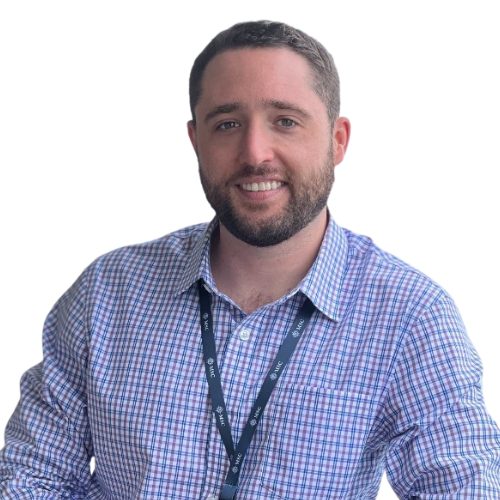
View all postsEvan Gove serves as the Senior Strategist of Organic Growth for Aliya Health Group’s nationwide network of addiction and behavioral health treatment centers. Since 2023, he has developed SEO strategies and managed content production. He earned his BA in Writing and Rhetoric from Hobart and William Smith Colleges.